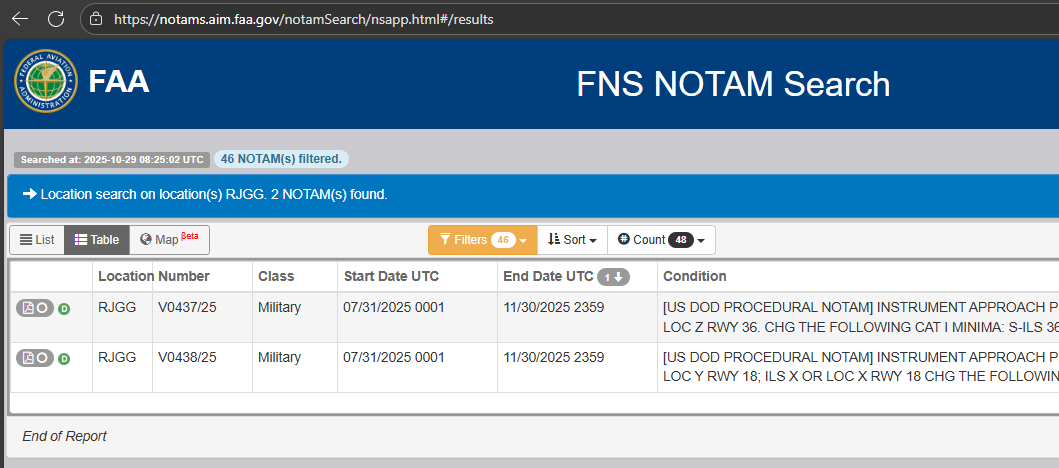
V0437/25 NOTAMN Q) RJJJ/QPICH/I/BO/A/000/999/3451N13648E005 A) RJGG B) 2507310001 C) 2511302359 E) [US DOD PROCEDURAL NOTAM] INSTRUMENT APPROACH PROCEDURE AMENDMENT ILS Y OR LOC Y RWY 36, ILS Z OR LOC Z RWY 36. CHG THE FOLLOWING CAT I MINIMA: S-ILS 36* CAT AB 215/550M 200 (200-800M); CAT C 220/600M 205 (300-800M); CAT D 230/600M 215 (300-800M).
这个V0437/25编号不在公司的通告系统中,是因为这是一条美国国防部的通告。文中包含[US DOD PROCEDURAL NOTAM]。
我在网上海搜了一下,这个信息指向一个美国空军的一个文件:《DEPARTMENT OF DEFENSE NOTICE TO AIRMEN SYSTEM》。文件链接如下:
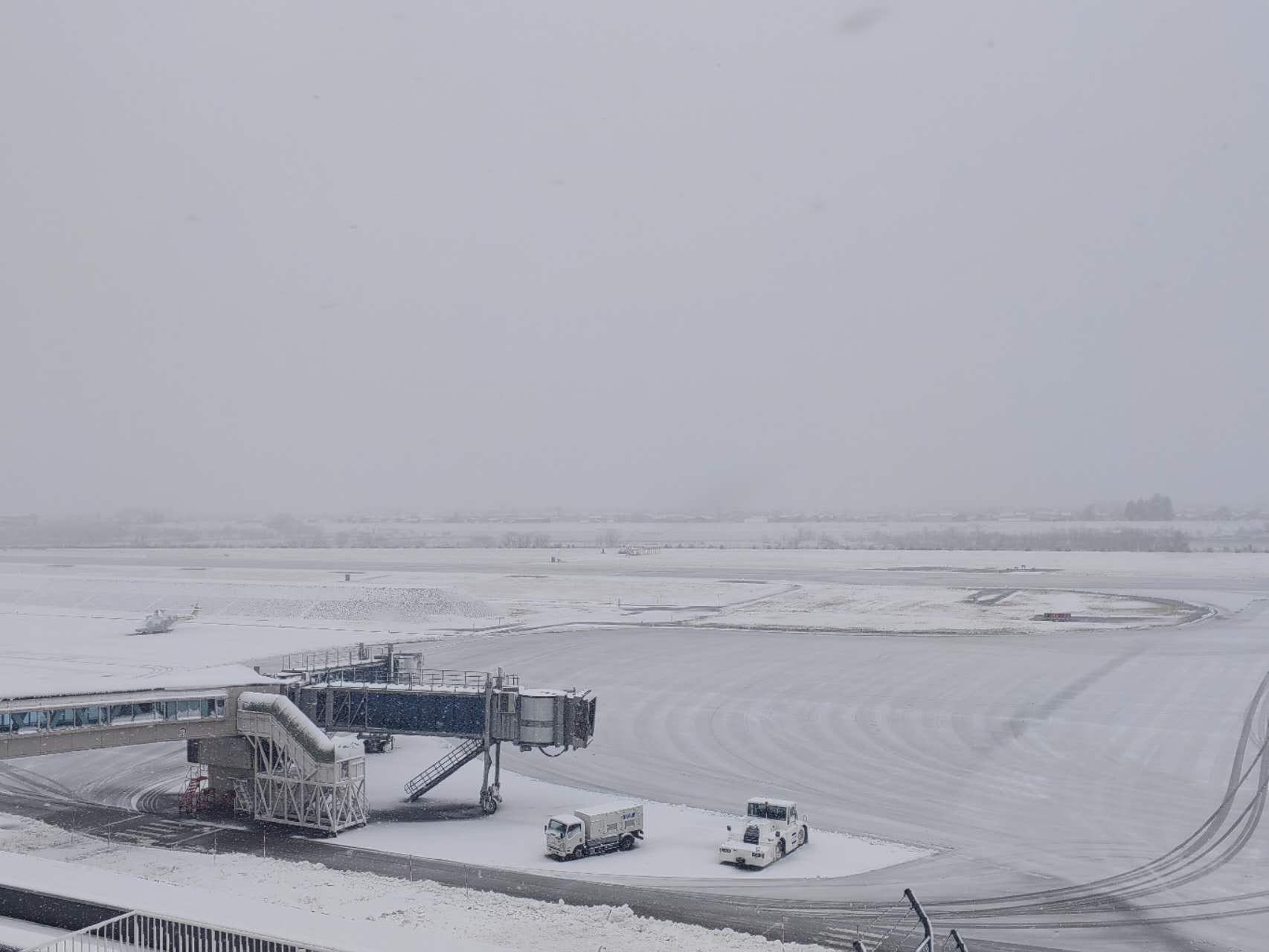
RJNT关闭至北京时13:30: L0382/24 富山 (RJNT) 2024/01/13 04:45 – 2024/01/13 05:30 (X) 替代L0380/24 RWY 02/20-CLSD DUE TO SN REMOVAL
好在当时因为日本地震,多带了油,所以可以有充裕的时间等待。
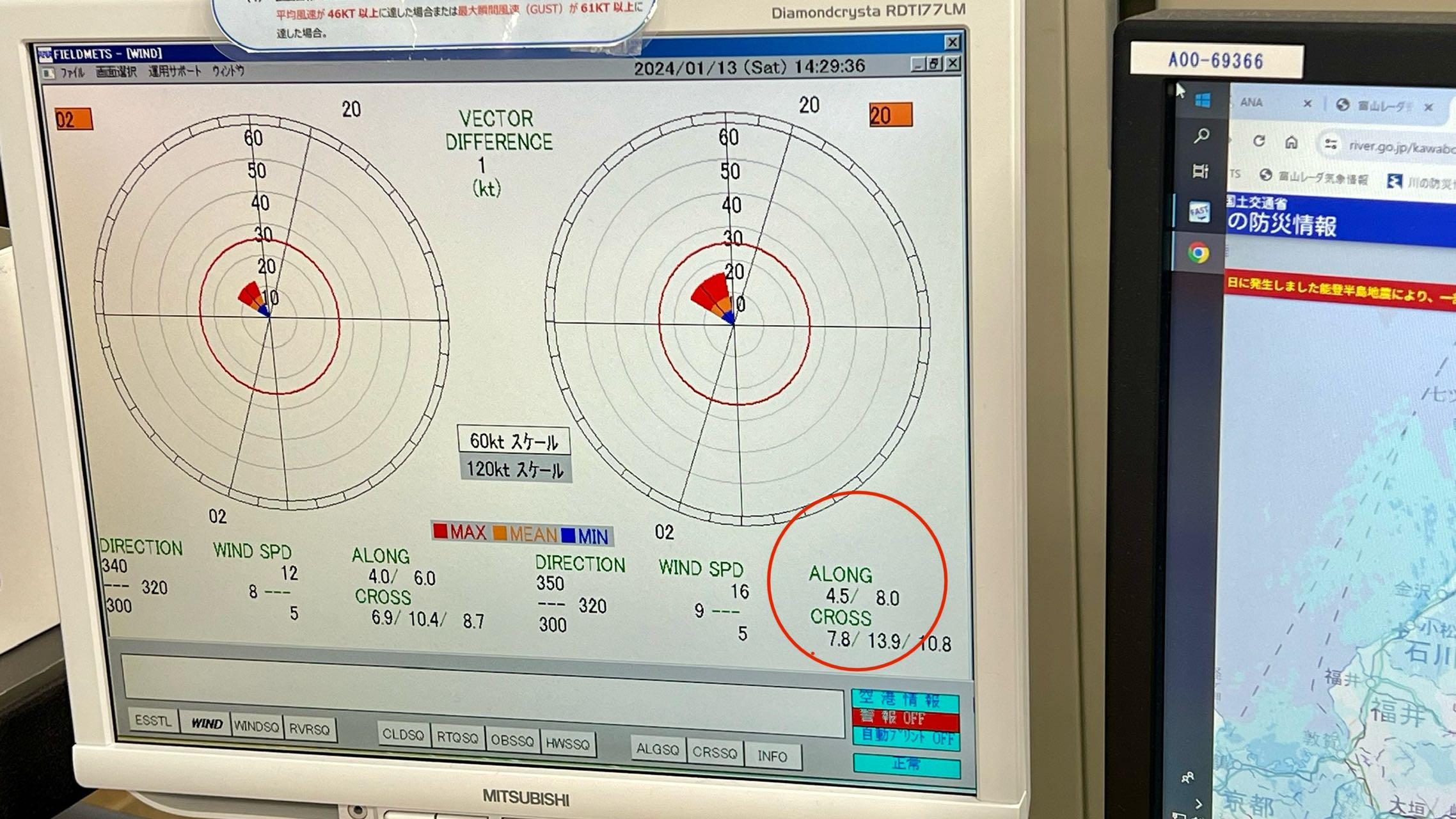
签派员ACARS:SUGGEST HOLDING TIL 0530UTC,WE WAIT WX IN RJNT. 签派建议机组盘旋等待到1330,后续等待富山最新天气报文。
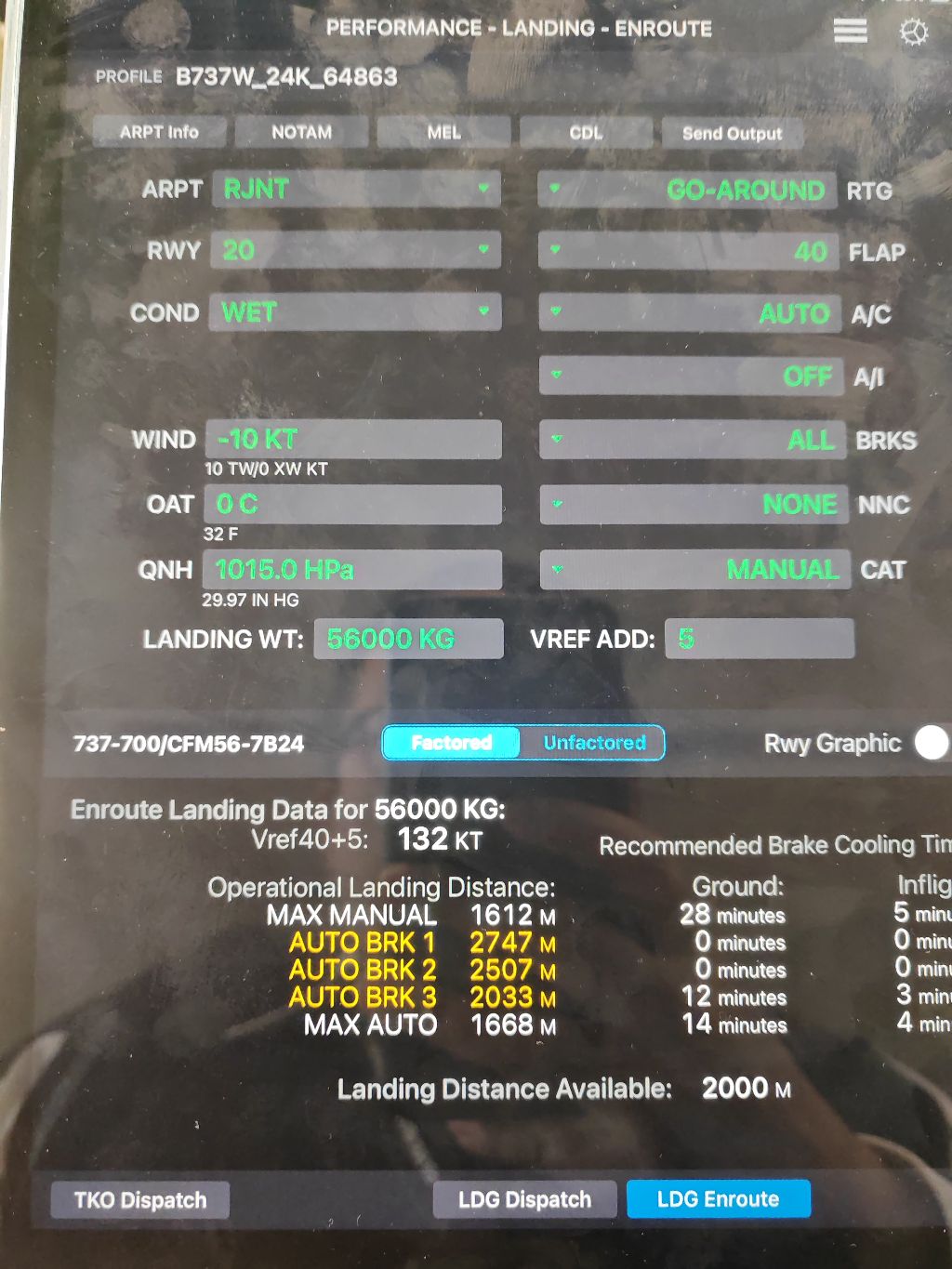
但是当时富山没有发布雪情通告。签派员担心顺风和污染跑道影响落地性能。使用OPT计算落地性能如下:
签派从站长那里得知RJNT13:30确认开放,并得到最新实况天气已经满足落地标准。
签派员ACARS:REMIND THE DOWNWIND LANDING PERFORMANCE, WHICH MAY ONLY BE ACHIEVED WITH MAXIMUM MANUAL OR MAXIMUM AUTOMATIC OPERATION 由于RJNT一直没有发布雪情通告,签派使用OPT湿跑道计算RJNT顺风落地性能,得知可能只有最大人工和最大自动满足落地性能,同时提醒机组。
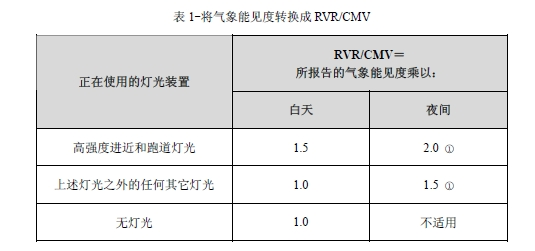
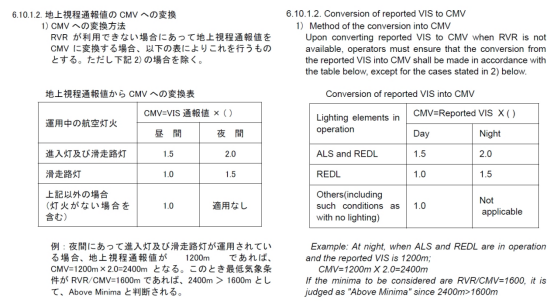
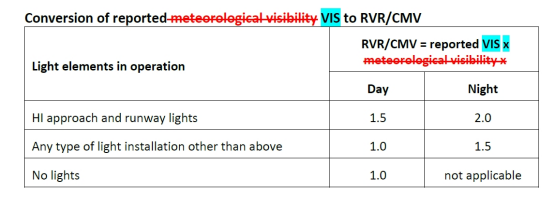
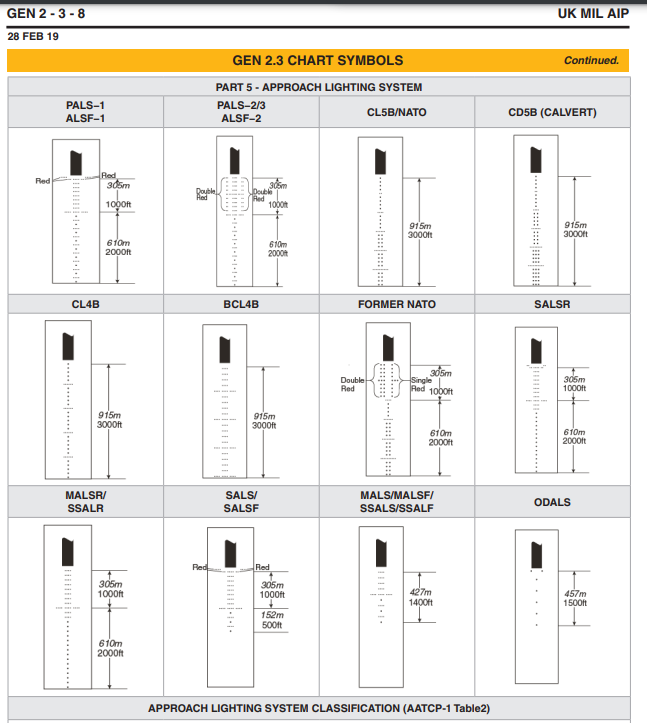
我还是去翻了一下以前的文章,我在2016年写过一个《近进的灯光的等级》,文中说道了《Order 8260.3F – United States Standard for Terminal Instrument Procedures (TERPS)》给出了不同进近灯光构型的强度。但是当中并没有SALSR
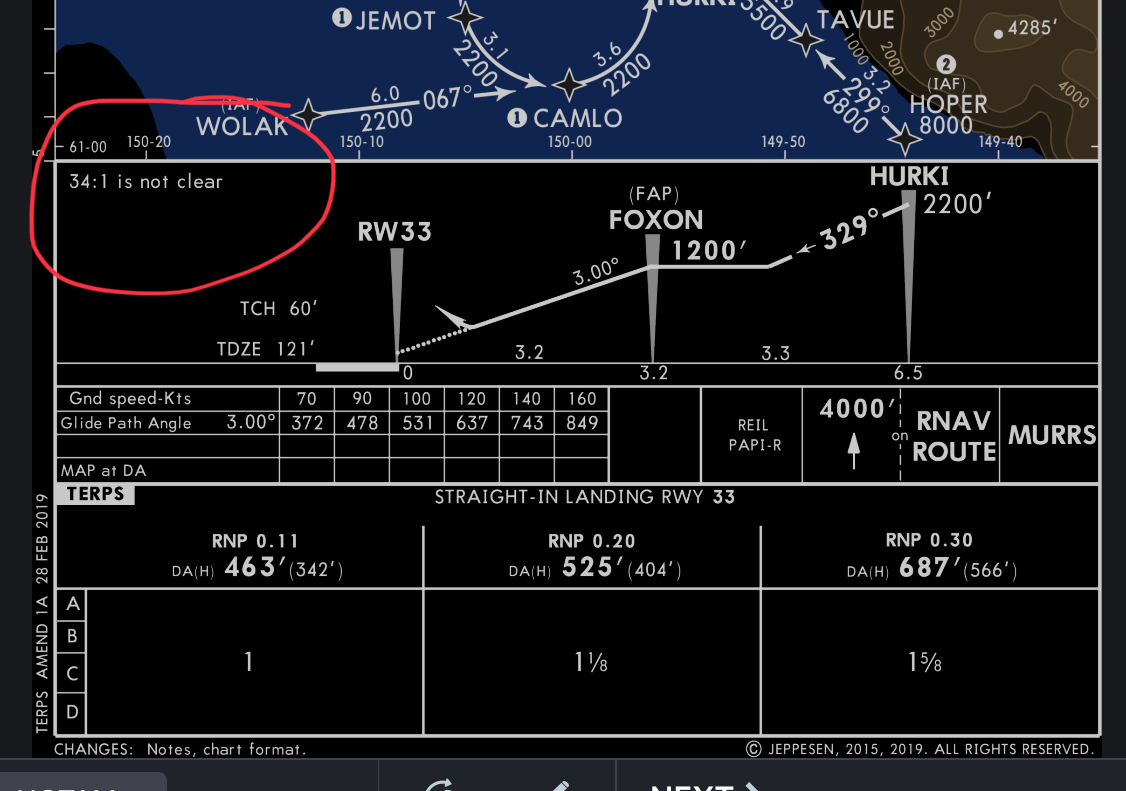
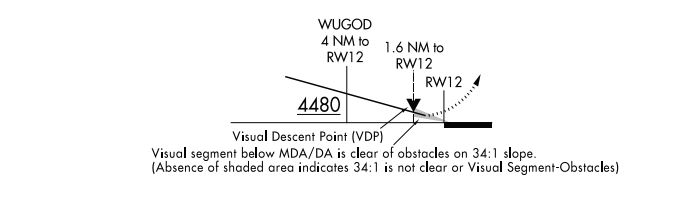
34:1 Surface Clear Stipple Symbol On RNAV approach charts, a small shaded arrowhead shaped symbol from the end of the VDA to the runway indicates that the 34:1 Obstacle Clearance Surface (OCS) for the visual segment is clear of obstacles. The absence of the symbol indicates that the 34:1 OCS is not clear or a Visual Segment-Obstacles note is indicated on the chart.
Visual Decent Point (VDP) The Visual Descent Point (VDP), is shown by a bold letter “V” positioned above the procedure track and centered on the accompanying dashed line. (See example below.) The VDP is a defined point on the final approach course of a nonprecision straight-in approach procedure from which normal descent from the MDA to the runway touchdown point may be commenced.
AIM 5-1-4 Flight Plan – VFR Flights Except for operations in or penetrating an ADIZ, a flight plan is not required for VFR flight. It is strongly recommended that a flight plan (for a VFR flight) be filed with an FAA FSS. This will ensure that you receive VFR Search and Rescue Protection.
FAR 121.697 Disposition of load manifest, flight release, and flight plans: Supplemental operations. (c) Except as provided in paragraph (d) of this section, if a flight originates at a place other than the certificate holder’s principal base of operations, the pilot in command (or another person not aboard the airplane who is authorized by the certificate holder) shall, before or immediately after departure of the flight, mail signed copies of the documents listed in paragraph (a) of this section, to the principal base of operations.
For Part 121 Operations, a Certificate Holder May Use a Regular, Refueling, or Provisional Airport. For part 121 operations, a certificate holder may use any regular, refueling,or provisional airport as an alternate airport, provided the airport is authorized for the type of aircraft being used. There is no need to dually(双重) designate an airport as an alternate for a particular aircraft type, if that airport is already authorized as a regular, provisional, or refueling airport for that aircraft type.
§125.1 Applicability. (a) ….this part prescribes rules governing the operations of U.S.-registered civil airplanes which have a seating configuration of 20 or more passengers or a maximum payload capacity of 6,000 pounds or more when common carriage is not involved.
然后对于“common carriage is not involved ”的解释是§110.2
§110.2 Definitions When common carriage is not involved or operations not involving common carriage means any of the following: (1) Noncommon carriage. (2) Operations in which persons or cargo are transported without compensation or hire. (3) Operations not involving the transportation of persons or cargo. (4) Private carriage.
最早的AC25-7的TAKEOFF AND TAKEOFF SPEEDS章节用来解释25.107的这一条当中,说明:
(7) section 25.107(f) – Liftoff Speed – The liftoff speed (VLoF) is defined as the calibrated airspee at which the airplane first becomes airborne, i.e., no contact with the runway. This allows comparison of liftoff speed with tire limit speed.
The maximum ground speed at liftoff, considering the entire takeoff operating envelope and taking into account 50 percent of the headwind and 150 percent of the tailwind, in accordance with § 25.105(d)(1), must not exceed the tire speed rating established under § 25.733(a) or (c).
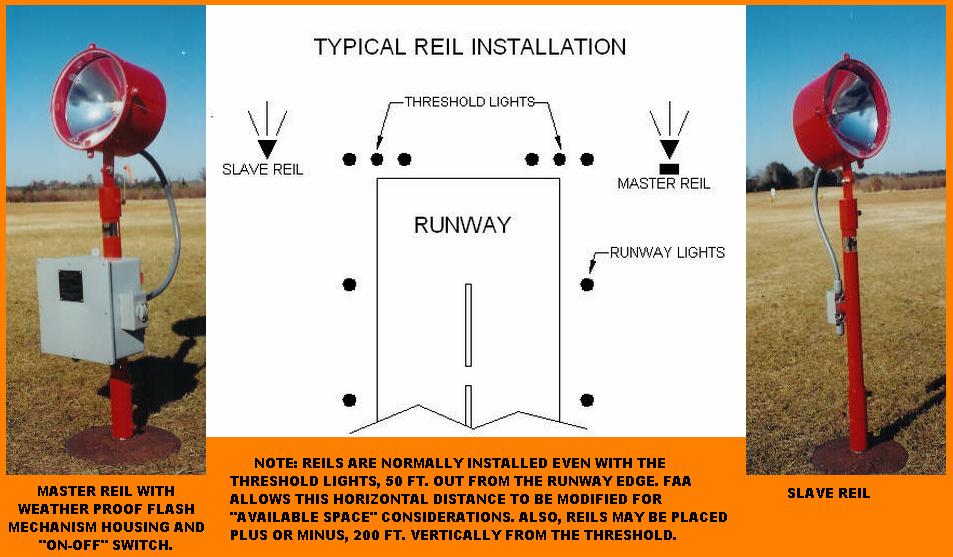
FAA AIM : REILs are installed at many airfields to provide rapid and positive identification of the approach end of a particular runway.REILs may be facing the approach area.
42.11.3.1 No more than two alternate forward CG limits (three total) should be approved per operator-specific variant of a particular airplane type and model.
FAR121
121.565 Engine inoperative: Landing; reporting.
(a) Except as provided in paragraph (b) of this section, whenever an airplane engine fails or whenever an engine is shutdown to prevent possible damage, the pilot in command must land the airplane at the nearest suitable airport, in point of time, at which a safe landing can be made.
121.7 Definitions.
The following definitions apply to those sections of part 121 that apply to ETOPS:
Adequate Airport means an airport that an airplane operator may list with approval from the FAA because that airport meets the landing limitations of §121.197 and is either—
AC 120-42A(已取消)
AC 120-42B
定义不存在。
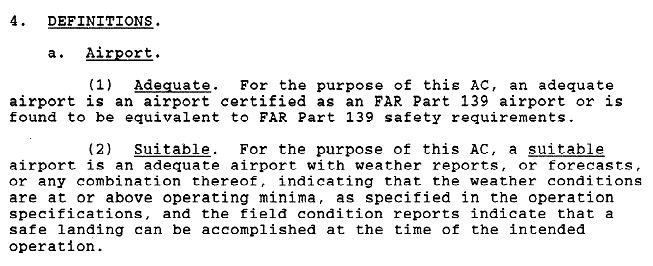
根据以上对比,121R4中定义的合适机场,应该是Adequate Airport。FAA对于合适机场的定义在AC120-42A当中是有的,更新AC120-42B已经消失了,当前的FAR121也没有定义。
借用网上的一段话:“Officially AC 120-42A was cancelled and replaced by 120-42B, they did not transfer the definition of “suitable” airport. So that is why I asked.”
Landing at the Nearest Suitable Airport
“Plan to land at the nearest suitable airport” is a phrase used in the QRH. This section explains the basis for that statement and how it is applied.In a non-normal situation, the pilot-in-command, having the authority and responsibility for operation and safety of the flight, must make the decision to continue the flight as planned or divert. In an emergency situation, this authority may include necessary deviations from any regulation to meet the emergency. In all cases, the pilot-in-command is expected to take a safe course of action.
The QRH assists flight crews in the decision making process by indicating those situations where “landing at the nearest suitable airport” is required. These situations are described in the Checklist Instructions or the individual NNC. The regulations regarding an engine failure are specific. Most regulatory agencies specify that the pilot-in-command of a twin engine airplane that has an engine failure or engine shutdown should land at the nearest suitable airport at which a safe landing can be made. A suitable airport is defined by the operating authority for the operator based on guidance material but, in general, must have adequate facilities and meet certain minimum weather and field conditions. If required to divert to the nearest suitable airport (twin engine airplanes with an engine failure), the guidance material also typically specifies that the pilot should select the nearest suitable airport “in point of time” or “in terms of time.” In selecting the nearest suitable airport, the pilot-in-command should consider the suitability of nearby airports in terms of facilities and weather and their proximity to the airplane position. The pilot-in-command may determine, based on the nature of the situation and an examination of the relevant factors, that the safest course of action is to divert to a more distant airport than the nearest air port. For example, there is not necessarily a requirement to spiral down to the airport nearest the airplane’s present position if, in the judgment of the pilot-in-command, it would require equal or less time to continue to another nearby airport.
For persistent smoke or a fire which cannot positively be confirmed to be completely extinguished, the safest course of action typically requires the earliest possible descent, landing and evacuation. This may dictate landing at the nearest airport appropriate for the airplane type, rather than at the nearest suitable airport normally used for the route segment where the incident occurs.
11.15.1 Meteorological Information (MET)/Aeronautical Information Service (AIS) Products.
Data link-supported EFB applications may display approved sources of weather for strat egic/flight planning purposes. Weather and aeronautical information, such as data -linked MET and AIS products, are for advisory use only. These products are intended to enhance situational awareness, but lack the service delivery reliability and updating necessary for tactical maneuvering/use.Do not use data-linked MET and AIS products for making tactical in-flight decisions regarding flight safety when avoiding adverse weather, airspace, or obstacle hazards (e.g., negotiating a path through a weather hazard area).
11.15.2 Graphical Weather Information. Data link graphical weather from sources such as XM radio and next eneration weather radar (NEXRAD) may be from approved sources of advisory weather information and can only be used for strat egic/flight planning purposes. Do not use data link graphical weather information for tactical decisions because data quality is uncontrolled for aviation use. Do not use data link graphical weather data as a substitute for airborne weather radar or thunderstorm detection equipment.
A person may serve as an aircraft dispatcher without meeting the requirement of this paragraph (a) for 90 days after initial introduction of the airplane into operations under this part.
(a) No certificate holder conducting domestic or flag operations may use any person, nor may any person serve, as an aircraft dispatcher for a particular airplane group unless that person has, with respect to an airplane of that group, satisfactorily completed the following:。。。